Food
Seasonal Eating in the UK: What Is Actually in Season Month by Month
By Sophie Clarke · 2026-04-21 · 8 min read
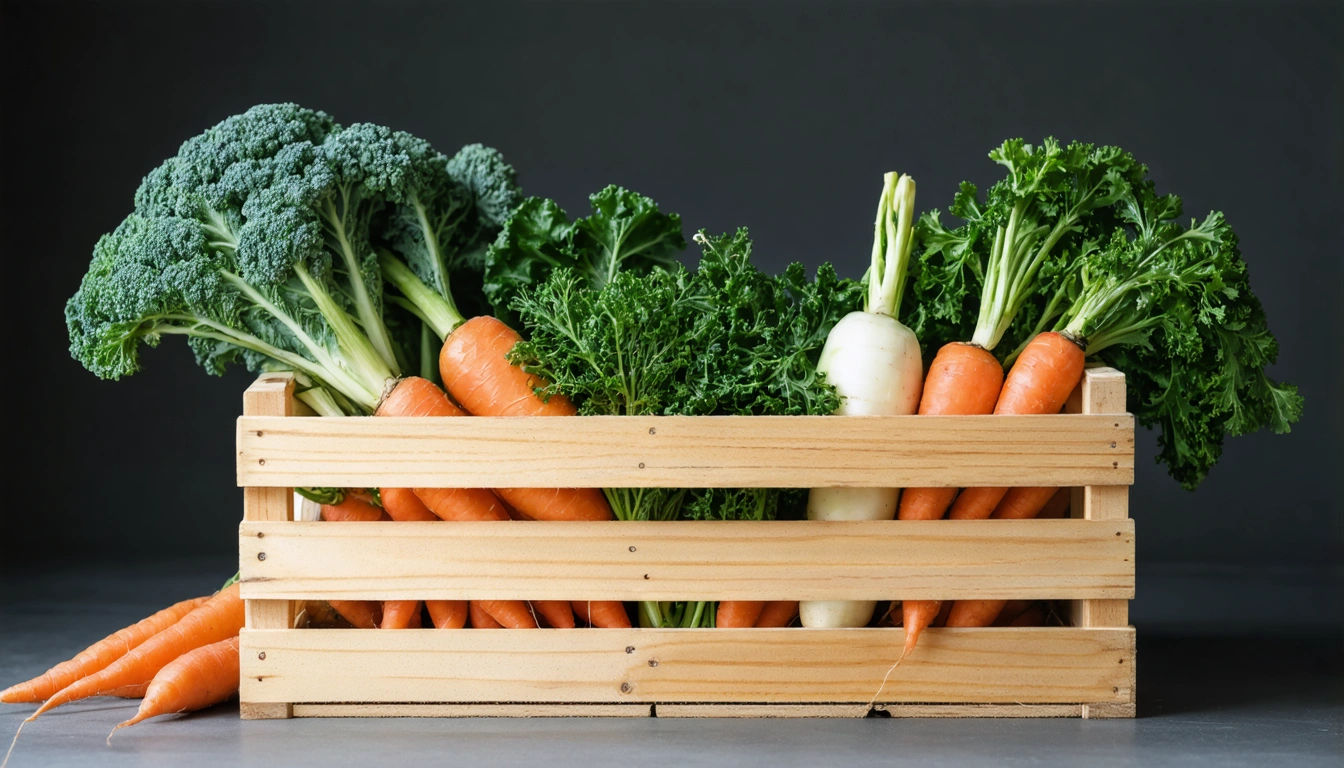
There is a particular pleasure in cooking something at the moment it wants to be eaten. A tomato in August is a different object from a tomato in January — not because the variety has changed, but because the conditions for producing flavour were right.
Seasonal eating in the UK is, in one sense, a simple proposition: eat what grows here when it grows here. In practice, the execution involves navigating a food system where everything is available all year round and the seasonal signals that once structured purchasing decisions have been largely erased from supermarket environments.
Understanding what is actually in season — rather than what the seasonal display at the supermarket entrance suggests — requires knowing something about UK growing conditions and the crops they support.
Spring: March to May
The lean season in UK produce lasts from roughly January through April, when much of the previous year's stored produce has been exhausted and the new growing season has not yet produced anything worth harvesting. This is the time when imported produce dominates more thoroughly than at any other point in the year.
What is genuinely available: Purple sprouting broccoli is one of the UK's most distinctive early-year crops, harvested from January through March and at its best before the main season arrives. Forced rhubarb from the Yorkshire triangle comes in from January, with outdoor rhubarb following from April. Spring greens — loose-headed cabbage — arrive through March and April with genuine flavour. Asparagus begins in late April and represents one of the most closely associated seasonal associations in UK cooking; the six to eight weeks of English asparagus season is genuinely worth treating as such.
Summer: June to August
June through August is the peak period for UK produce variety. Strawberries, raspberries, and gooseberries arrive in June, with the broader soft fruit season following through July and August. Courgettes, runner beans, broad beans, peas, new potatoes, and salad crops all peak during this period.
The summer abundance tends to reduce costs for the more common vegetables if bought directly from market or farm shops rather than through supermarkets, where pricing is often decoupled from seasonal supply.
Tomatoes are worth treating as a summer-only ingredient for cooking that depends on flavour rather than texture. UK-grown tomatoes and those from southern Europe in peak season are fundamentally different objects from the year-round product.
The seasonal calendar is not a dietary ideology. It is a description of when things taste best and, typically, cost least — two considerations that happen to align more often than the food system's year-round availability suggests.
Autumn: September to November
Autumn is arguably the richest period in the UK seasonal calendar. October and November bring field mushrooms, celeriac, leeks, parsnips, squash, and the full range of autumn brassicas. Apple and pear varieties come in succession from late August through October, with storage varieties lasting through winter.
Game is in season from September onwards — pheasant, partridge, grouse, and venison. For households willing to work with game, the autumn represents an unusually good argument for seeking out a butcher or game dealer rather than a supermarket.
Root vegetables — swede, turnip, beetroot, Jerusalem artichoke — are also at their best in autumn and early winter. The earthiness and sweetness that characterise these vegetables develops with cold, and UK-grown roots in autumn are genuinely different from imported alternatives.
Winter: December to February
Winter in the UK is not a dead period for produce, though it requires adjusting expectations. Kale, Brussels sprouts, and January King cabbage are cold-weather crops that improve with frost. Leeks are at their peak through January. Forced chicory and endive provide bitterness that works well against the rich, slow-cooked dishes that winter menus tend to favour.
The storage crops — potatoes, onions, carrots, celeriac, butternut squash from the autumn harvest — carry through winter well. Citrus from Spain and southern Europe provides acidity and freshness that domestic winter produce cannot. Understanding which imported produce is genuinely in season in its country of origin — and therefore at its best — is a useful extension of the seasonal eating framework beyond domestic crops.
How to Eat More Seasonally Without Making It a Project
The most practical approach for most households is not to restructure shopping entirely around seasonality, but to add one deliberately seasonal ingredient to the weekly shopping over the course of a year. Noticing what looks genuinely good at a market stall or what is on special offer because of surplus supply — and asking why — develops an intuition for the seasonal calendar that no amount of reading can fully replicate.