Travel
UK's Best Weekend Breaks in 2026
By Sophie Clarke · 2026-04-12 · 8 min read
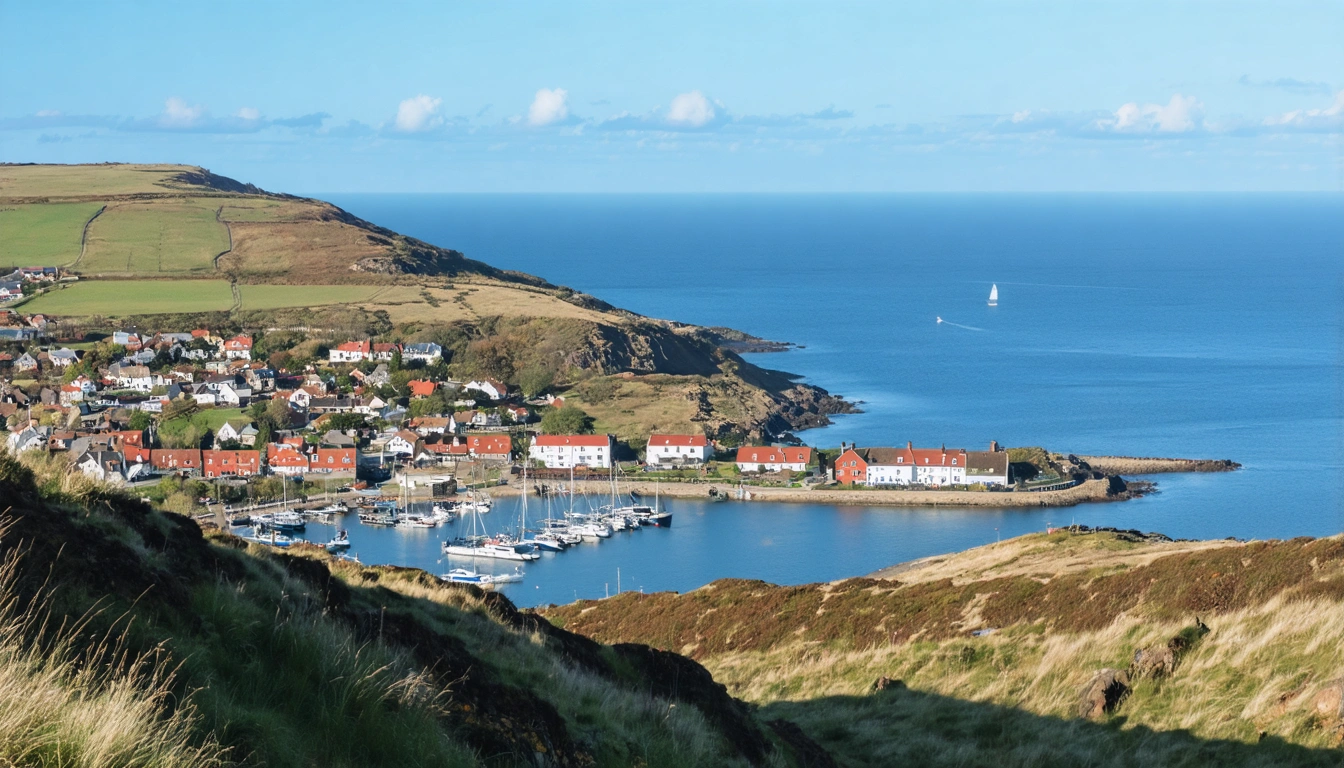
A well-chosen weekend break does not require a transatlantic flight or an extended break from work. The United Kingdom contains an unexpectedly varied range of destinations that reward a two-night stay.
The criteria for a good weekend break are simple enough: somewhere genuinely different from where you live, reachable without excessive travel time, offering at least one thing that makes the trip feel worth having made. Against those measures, the UK performs consistently well — if you know where to look beyond the default suggestions.
1. Whitby, North Yorkshire
Whitby is a town that has managed to be simultaneously a working fishing port, a Victorian seaside resort, a Gothic literary landmark, and a genuinely excellent place to eat fish and chips. The harbour, the ruined abbey on the headland, and the 199 steps connecting the two halves of town make for a compact and satisfying day's exploration.
The accommodation range runs from budget guesthouses to characterful small hotels. The drive from the south is made considerably more pleasant by avoiding the A roads in favour of the North Yorkshire Moors route, which provides its own justification for the journey. Train access is via Scarborough with a connecting service, though frequency on the branch line is limited.
2. Bath, Somerset
Bath has been attracting visitors since the Romans, and the infrastructure for tourism is accordingly mature — which can be both a strength and a weakness. The Roman Baths, the Royal Crescent, and the Thermae Bath Spa all deliver on their reputations. The main streets can be crowded at weekends in peak season; the side streets, the canal towpath, and Prior Park garden are considerably quieter and equally rewarding.
Bath is well served by direct rail from London, Bristol, and Cardiff, making it genuinely accessible without a car for much of the country's population. It is not a cheap destination, but the city's walkability means the entertainment budget can be relatively modest even if accommodation costs more.
3. Edinburgh for a Short Visit
Edinburgh as a weekend destination is somewhat overshadowed by the Festival period, during which the city is extraordinary but expensive and crowded. Out of Festival season — and particularly in autumn — Edinburgh is a substantially more manageable destination: the Old Town closes down to a human scale, the museums and galleries are quiet, and the volcanic landscape of Arthur's Seat provides a walk that genuinely earns its views.
The train journey from London takes around four and a half hours on the east coast main line, which for a Friday evening departure and Sunday afternoon return gives a comfortable two nights with minimal fatigue.
4. Hay-on-Wye, Powys
Hay-on-Wye, the small Welsh market town famous for its density of secondhand bookshops, is a destination that either speaks to you immediately or does not. For people who spend their weeks in urban settings and whose idea of a restorative weekend involves browsing shelves without urgency, it is close to ideal.
The surrounding area — the Black Mountains to the south, the Brecon Beacons within easy reach — means that the trip can combine a morning of bookshop browsing with an afternoon walk in landscape that is genuinely dramatic without requiring technical ability or specialist equipment.
The best weekend breaks reward a specific kind of unhurried attention. The destinations that deliver consistently are those where two days feels like enough, but you would genuinely return.
5. Alnwick and Northumberland
Alnwick in Northumberland offers the combination of Alnwick Castle, the Alnwick Garden, and excellent access to the Northumberland coast, which is among the least crowded stretches of English coastline with reliable sand. The nearby town of Bamburgh — with its castle and beach — is frequently cited in quality surveys of UK coastal destinations.
Northumberland is not particularly accessible by train for all starting points, and for some visitors a car is effectively necessary to make the most of the coastal section. For those coming from the north of England, it is a straightforward drive; for visitors from the south, it rewards treating the journey itself as part of the experience.
6. St Ives, Cornwall
St Ives in Cornwall has a claim to be the most visually complete seaside town in England: the light quality, the density of galleries and studios, the beaches, and the architecture of the harbour all combine into something that justifies the travel even from distant starting points. The Tate St Ives, the Barbara Hepworth Sculpture Garden, and the surrounding coastal path walking are all genuine reasons to visit.
The practical caveat is that St Ives in peak summer season is very crowded, and parking is extremely limited. Arriving by the branch train from St Erth — where the mainline from London and Bristol arrives — sidesteps the driving entirely and provides an arrival that is itself part of the destination.