Tech
Smart Home Devices: Which Ones Are Actually Worth It in 2026
By Maya Patel · 2026-04-08 · 7 min read
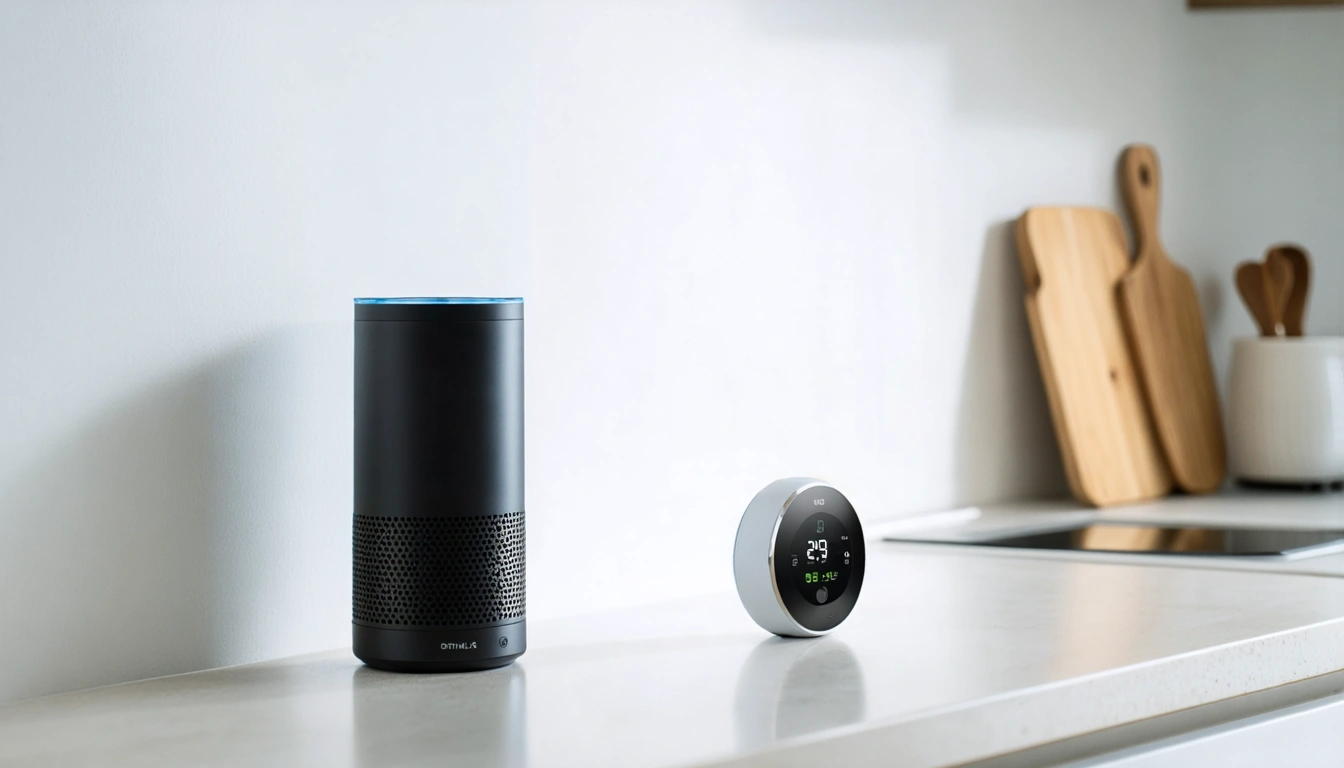
The smart home market has matured considerably. Some devices have moved from novelty to genuine utility — and others remain expensive solutions looking for a problem.
For UK households thinking about whether smart home technology is worth the investment, the honest answer is: some of it is, some of it is not, and it depends heavily on how you actually live. Here is a category-by-category assessment based on practical utility rather than marketing claims.
1. Smart Heating Controls
Smart thermostats and heating controls are, by some distance, the category with the clearest case for adoption in UK homes. The ability to control heating remotely — turning it on when you leave work, turning it off when you remember you left it running — combined with intelligent scheduling that learns your patterns, can lead to genuine reductions in energy use for households that were previously heating homes inefficiently.
The installation requirements vary between models. Some work with existing thermostats; others require a heating engineer for fitting. Check compatibility with your boiler type before purchasing. For renters, some smart thermostats can be installed without permanent modification to the property, though this should be confirmed with your landlord.
The Energy Saving Trust provides guidance on energy-saving technologies for UK homes, and smart heating controls feature consistently in their recommendations for households where heating accounts for a significant proportion of energy bills.
2. Smart Lighting
Smart lighting is genuinely useful for some households and borderline unnecessary for others. The use cases that consistently justify the cost: automated sunset/sunrise lighting, particularly for households where someone has difficulty adjusting to seasonal darkness; lighting scenes that improve home working environments; and energy monitoring that shows where electricity is being used.
The case is weaker for households that just want to turn lights on and off with their voice — the convenience gain over a physical switch is modest, and the cost of outfitting a whole home with smart bulbs is non-trivial.
3. Smart Doorbells and Security Cameras
Video doorbells have become common in UK residential streets, and the practical benefits are real: package delivery monitoring, deterrence of opportunistic crime, and the ability to see who is at the door without opening it. The image quality of current-generation models is generally good enough to be useful.
The privacy considerations are worth taking seriously. Several models upload footage to cloud servers operated by US companies; UK and European privacy frameworks apply, but the practical implications of where data is stored are worth understanding before purchasing. Some models offer local storage options, which reduce dependency on cloud subscriptions.
Neighbours whose gardens or public spaces are captured in footage have raised legitimate concerns with manufacturers and information commissioners. Positioning cameras to minimise capture of others' property is both good practice and relevant to UK GDPR compliance.
4. Smart Plugs and Energy Monitors
Smart plugs — sockets that can be switched on and off via an app — are among the most versatile and affordable smart home components. They are particularly useful for converting existing appliances to remotely controlled operation (a standard lamp becomes a smart lamp), for monitoring the energy consumption of individual devices, and for ensuring appliances are fully off rather than on standby.
Standalone energy monitors that display real-time household energy consumption can be genuinely eye-opening for households that have not thought carefully about their electricity use. The awareness effect — seeing which appliances consume most — consistently shows up in research as a driver of behaviour change.
5. Smart Speakers and Displays
Voice-controlled smart speakers have become a household staple for many UK families. Their utility is highest for tasks that benefit from hands-free operation: kitchen timers, playing music, answering quick questions, managing shopping lists. For households with young children or elderly relatives who struggle with touchscreen interfaces, they can genuinely improve daily experience.
The downsides are equally well-documented: privacy concerns about always-on microphones, occasional misactivations, and the reality that most tasks they perform can be done almost as quickly on a phone. Whether the convenience is worth the tradeoffs is a personal assessment that depends on your household's actual usage patterns.
The smart home devices that consistently justify their cost share one characteristic: they save time or energy on tasks that genuinely recur in your life. The ones that gather dust are usually those purchased for a use case that seemed compelling in a shop but does not actually reflect how you live.
6. Smart Appliances (Washing Machines, Fridges, Dishwashers)
This category is the least consistently useful at present. The smart features of connected appliances — notifications when a wash cycle is finished, remote starting — rarely deliver value proportionate to the premium charged. The core function of these appliances (cleaning clothes, preserving food) is unchanged, and the connectivity adds modest convenience at significant additional cost.
The exception may be households on flexible energy tariffs where running appliances at off-peak times can reduce bills — in which case timed or remote start features become more valuable. For most households, a standard timer function achieves the same result.