Culture
Inside the World of Independent Cinema in UK Cities
By Alex Thornton · 2026-04-23 · 7 min read
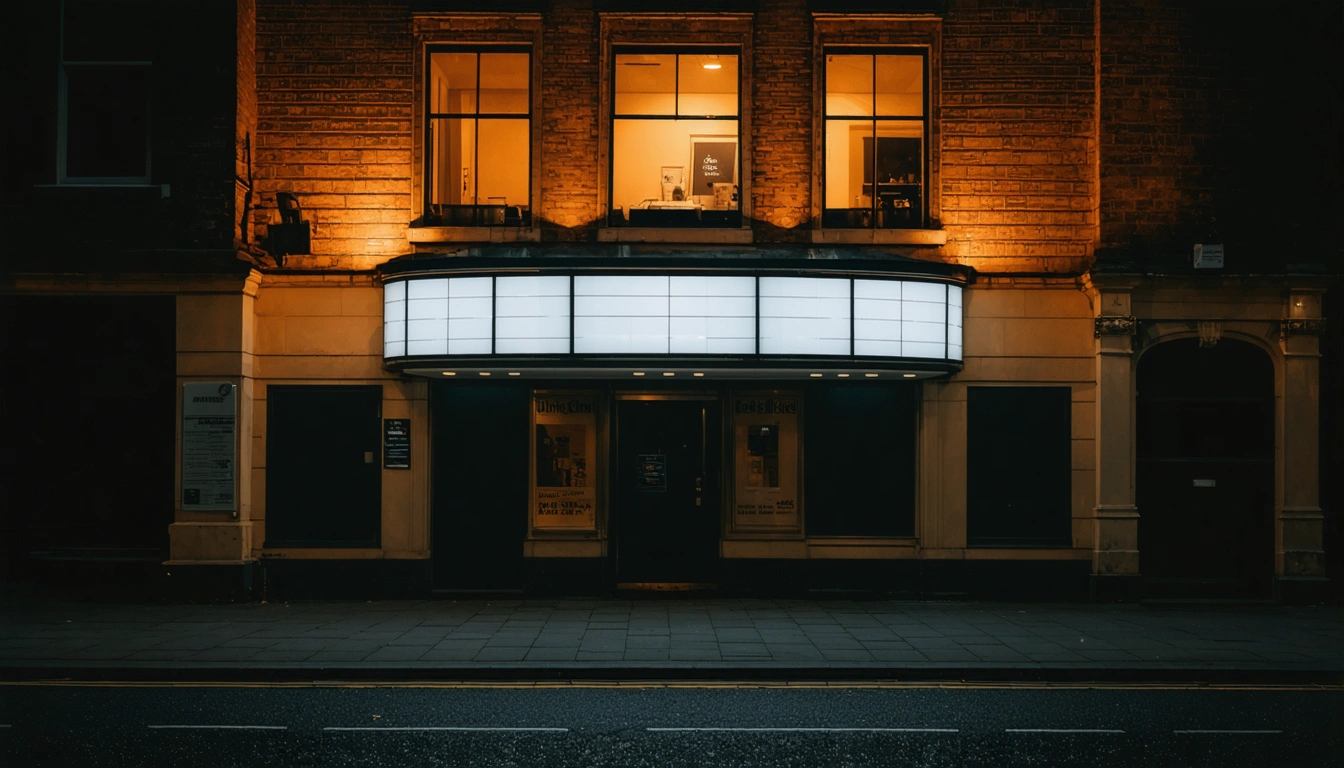
Walk into a mid-sized British city in the early evening and there is usually one of two kinds of cinema experience available: the multiplex on the retail park outside town, showing twelve screens of the same eight releases; or, if the city is fortunate, an independent screen doing something entirely different.
The independent cinema sector in the United Kingdom has navigated a difficult decade with more resilience than many anticipated. The pandemic years were genuinely threatening — prolonged closure, no income, uncertain reopening timelines — and some long-established independents did not survive. But the sector has recovered in ways that the multiplex model has not fully replicated, partly because its audience turned out to be more motivated, more loyal, and more willing to travel than the economics of the market had previously suggested.
What Makes an Independent Cinema Different
The differences between an independent cinema and a chain multiplex are real and extend beyond the films on offer. Independents typically programme a mix of current releases and older titles — revivals, seasons, themed programming — that a multiplex would never show because the commercial pressure requires filling seats on opening weekend, not over six weeks.
The physical environment tends to be different as well. Many UK independents occupy converted buildings — former theatres, warehouses, churches, town halls — that create an experience of watching that is meaningfully unlike sitting in a standard auditorium. The Electric Cinema in Birmingham, the Watershed in Bristol, and HOME in Manchester are all spaces that attract visitors partly because of where they are, not only what they show.
Food and drink offerings at independents have also developed well beyond the multiplex template. Several UK independents now offer full kitchen service, bar menus, and seated dining alongside their screens. This changes the economics of the visit — a cinema trip becomes a destination evening rather than a single transaction.
The Importance of the Regional City Screen
The most significant independents in the UK are not in London — or rather, London has several of the most prominent, but the independents in regional cities perform a function that is disproportionate to their size. In cities like Sheffield, Nottingham, Bristol, Leeds, and Edinburgh, a single independent screen can be the primary point of access to international, documentary, and arthouse cinema for a wide catchment area.
The independent cinema in a regional city is rarely just a cinema. It tends to be a cultural centre — a venue for discussions, visiting filmmakers, education programmes, and events that use the screen as a starting point rather than an endpoint.
The BFI's statistical surveys of UK cinema attendance confirm that independent cinemas have a higher proportion of regular, engaged attendees than multiplex chains — people who visit frequently and are specifically motivated by the programme rather than the convenience. This audience is smaller in absolute terms but substantially more valuable per visit in terms of secondary spend and loyalty.
Funding and Sustainability
The financial model for UK independent cinemas is complex. Box office revenue alone does not sustain most independents; the funding mix typically includes BFI and Arts Council grants, local authority support, membership programmes, event income, and food and drink revenue. Several of the most successful independents have moved to membership models — monthly or annual subscriptions that provide a predictable income base and cultivate the regular-attender relationship that the sector depends on.
The Picturehouse group occupies an interesting middle position — independent in programming philosophy, but chain in structure following its acquisition by Cineworld. Its future has been uncertain during Cineworld's financial difficulties, and several formerly Picturehouse-affiliated cinemas have become genuinely independent as a result of that uncertainty.
What to Look For
For someone in a UK city wanting to find their local independent cinema, the BFI publishes a directory of certified independent cinemas. The independent sector tends to be concentrated in university cities and towns with strong arts cultures, but genuinely good screens exist in less predictable locations — and the experience of discovering one is itself part of what makes the independent sector what it is.
The key markers of a genuinely independent programme: films that are more than one week into their run, repertory screenings of older titles, filmmaker events and Q&As, and a willingness to screen films that could not sustain a week of multiple daily showings in a commercial context.