Society
What the Decline of the UK High Street Actually Means for Local Life
By James Whitmore · 2026-03-22 · 7 min read
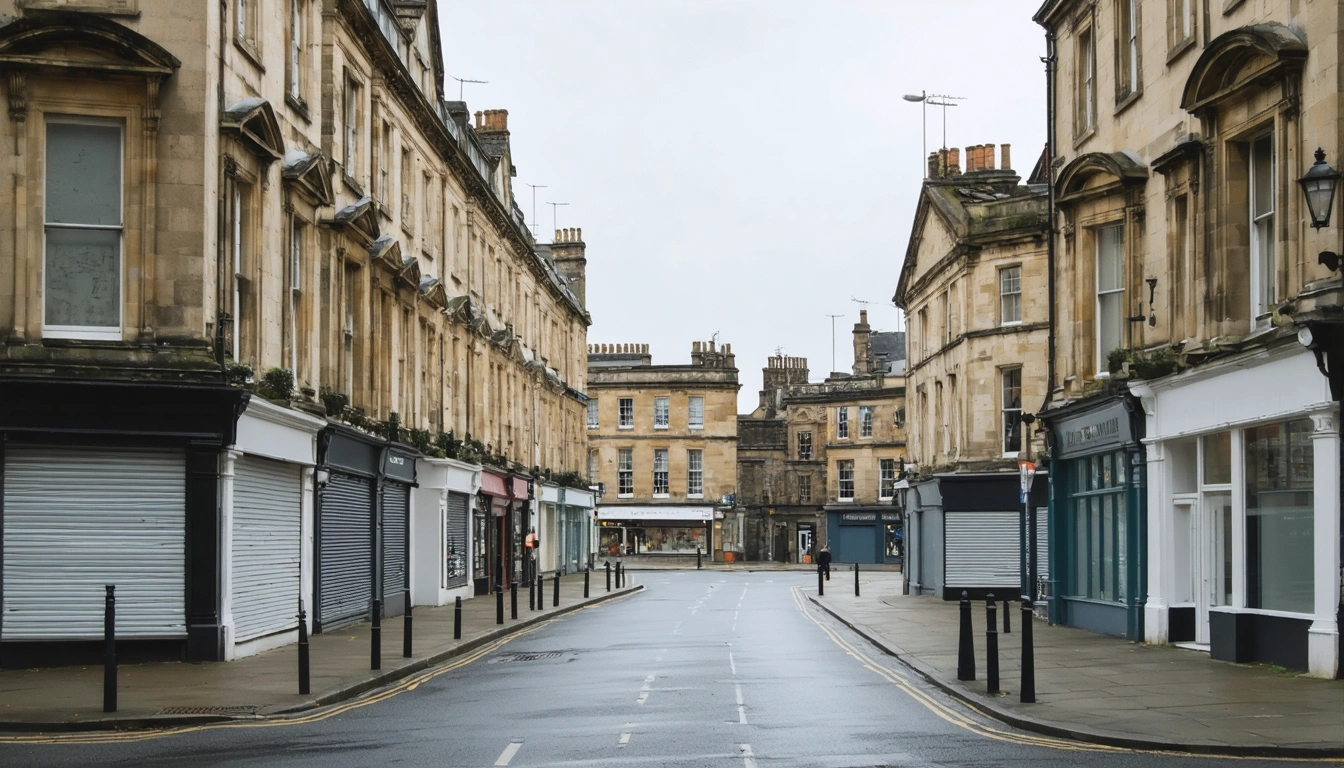
The British high street has been in transition for years, but the direction and pace of that transition has sharpened considerably in the past decade.
Understanding what is actually happening — as opposed to what the headlines suggest — requires separating the data from the anecdote, and recognising that the experience varies enormously depending on where in the country you are looking.
What the Data Actually Shows
ONS retail data and the British Retail Consortium's regular footfall reports both confirm that town centre pedestrian traffic has declined in most parts of England and Wales. The shift has not been uniform — some market towns have held footfall reasonably well, while certain larger urban centres have seen sharper falls. What unites them is a structural change in purchasing behaviour: a greater proportion of goods are now bought online, and the physical trip to a high street shop is increasingly discretionary rather than essential.
The collapse of several major retail chains — across clothing, household goods, and electronics — has left visible voids. Empty units are a proxy for economic stress, but they are also a lagging indicator: they reflect decisions made two or three years earlier, often based on lease agreements signed when assumptions about footfall were very different.
The more useful question is not whether the high street is declining in its traditional retail function — it clearly is — but what it is becoming instead.
What Is Filling the Gaps
The most consistent finding from research into UK town centres is that food and beverage uses — cafés, restaurants, independent food businesses — have held up better than traditional retail. People have shifted spending from goods to experiences, and the high street has adapted partly by becoming a destination for eating and drinking rather than shopping.
The second growth category is services. Hairdressers, beauty treatments, gyms, physiotherapy practices, GP surgeries, and community spaces cannot easily be replicated online, and these uses have absorbed some of the space vacated by retail chains. In some towns, the mix feels genuinely coherent. In others, the combination of charity shops, food delivery dark kitchens, and temporary lets creates an atmosphere of managed decline rather than adaptation.
The towns that have managed the transition most successfully tend to share one characteristic: a clear sense of what they are for, beyond shopping.
The Role of Local Planning and Policy
The UK government has introduced several policy interventions aimed at supporting high streets — including the High Streets Task Force, Business Rate adjustments, and planning reforms intended to make it easier to convert empty shops to residential or other uses. The evidence on their effectiveness is mixed.
Business Rate reform has been a long-running debate in UK retail policy. The current system, which calculates business rates on the basis of notional rental values, has been widely criticised for imposing relatively higher burdens on physical retailers compared to online competitors. Various governments have promised reform; progress has been slow.
Planning changes have had more visible effects in some areas, with empty shop units converted to housing, health services, or community facilities. But conversion takes time and investment, and not all empty units are in locations where alternative uses are viable.
What Communities Are Doing
The most interesting responses to high street change are happening at a local rather than national level. Business Improvement Districts — where local businesses collectively fund shared services and improvements — have shown results in some town centres. Community Land Trusts have bought and preserved locally important spaces. Pop-up markets, arts events, and community-led initiatives have brought footfall back to spaces that were struggling.
These approaches work best when they reflect what local people actually want, rather than what planners think they want. Research consistently shows that people value high streets more as social spaces — places to meet, to feel part of a community, to experience something that a screen cannot replicate — than as purely transactional environments.
The high street's future is not retail. It is something harder to define, more varied between places, and more dependent on local energy and investment than any national policy can guarantee. Some town centres will find genuinely compelling new purposes. Others will continue to struggle. Understanding the difference — and what drives it — matters for the communities on both sides of that divide.